



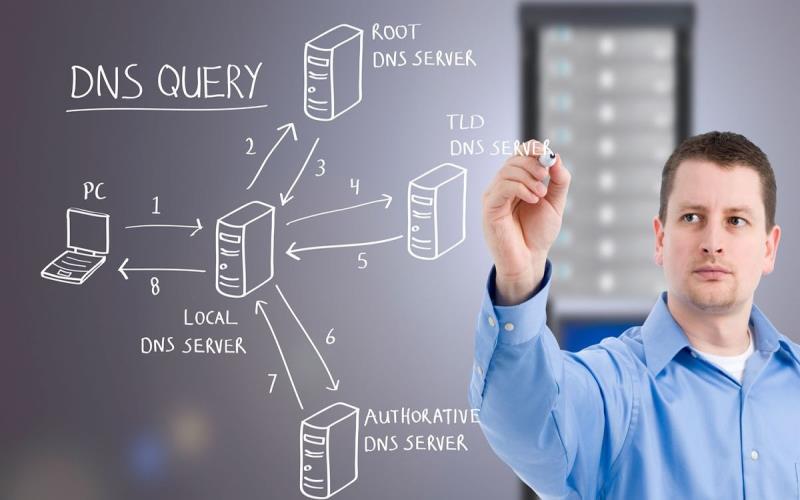
The Domain Name System (DNS) is an integral part of the internet’s infrastructure. It is responsible for mapping domain names to IP addresses and vice versa, enabling users to navigate the web. DNS is a complex system that is constantly evolving, but it is a crucial component of the web. In this article, we will explore why we need the Domain Name System and the benefits it offers.
What is DNS?
DNS is a distributed database that translates domain names into IP addresses. It is a hierarchical, decentralized system that helps computers communicate with each other. Each domain name is associated with an IP address, which is a numerical code that identifies a device on the internet. DNS acts as an intermediary between users and web servers, allowing users to access websites by typing in a domain name instead of the IP address.
DNS is composed of a number of different components, including DNS servers, DNS records, and DNS zones. DNS servers store and manage DNS records, which are text files that contain information about a domain name. DNS zones are collections of DNS records that are associated with a particular domain.
Benefits of DNS
One of the main benefits of DNS is that it makes navigating the web easier for users. By associating domain names with IP addresses, users can easily access websites by typing in a domain name rather than having to remember the IP address of the website. This makes it much easier for users to find and access websites.
Another benefit of DNS is that it makes it easier for web servers to manage their domains. DNS servers store and manage DNS records, which make it easier for web servers to keep track of their domains. DNS records also make it easier for web servers to make changes to their domains, such as adding new webpages or redirecting to other websites.
Finally, DNS is also important for security. DNS records contain information about the domain name, such as the IP address associated with the domain. This helps to ensure that users are accessing the correct website and not a malicious website.
Conclusion
The Domain Name System is an essential part of the internet’s infrastructure. It is responsible for mapping domain names to IP addresses and vice versa, enabling users to navigate the web. DNS makes it easier for users to access websites by allowing them to type in a domain name instead of a numerical IP address. It also makes it easier for web servers to manage their domains, and it provides an extra layer of security by helping to ensure that users are accessing the correct website. Without DNS, the internet would not be nearly as user-friendly or secure.
In conclusion, the Domain Name System is an essential part of the internet’s infrastructure. It helps to make the internet more user-friendly and secure, and it is an integral part of the web’s infrastructure. Without DNS, the internet would not be nearly as user-friendly or secure.
