



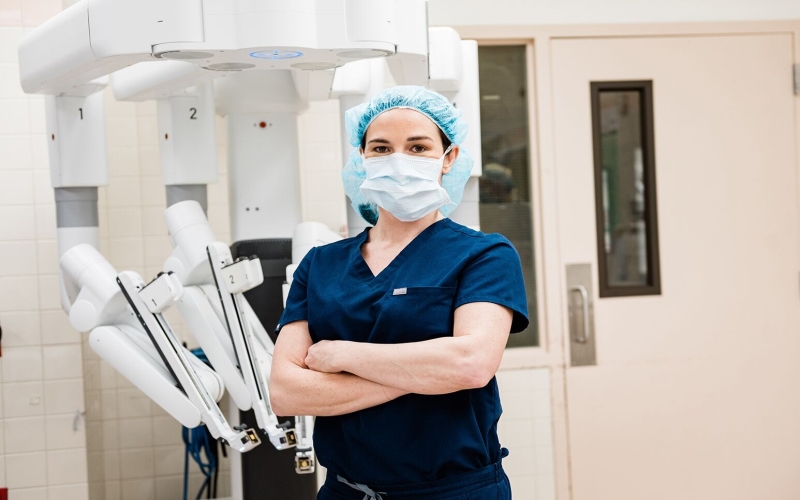
Medical progress has transformed surgical techniques in women’s health, offering substitute solutions for problems that could require intervention. One less intrusive method that is becoming increasingly popular is robotic hysterectomy surgery, which performs a hysterectomy using robotic technology.
Selecting the best surgical strategy requires careful evaluation of several criteria, just like any other medical choice. The following are the main factors that will assist you in deciding if robotic hysterectomy surgery is the best option.
1. Understanding Robotic Hysterectomy: A Minimally Invasive Approach
A robotic hysterectomy is a surgical technique in which the uterus is removed with the use of robotically assisted technology. A minimally invasive approach is the robotic hysterectomy, in contrast to standard open surgeries that call for big incisions.
Through a series of tiny incisions, the surgeon operates the robotic system—which consists of tiny equipment and a high-definition camera. Comparing this method to open treatments will hopefully shorten recovery times and minimize discomfort and scars.
2. Medical Indications for Hysterectomy: Assessing Your Condition
A hysterectomy, or removal of the uterus, may be advised for several medical conditions, such as endometriosis, cancer of the uterus, persistent pelvic pain, or irregular bleeding.
Your doctor will assess your particular medical situation, considering your general health, the underlying cause of your symptoms, and their severity. For some cases, robotic hysterectomy might be a good option. Still, talking about your specific situation with your medical team is important.
3. Advantages of Robotic Hysterectomy: Weighing the Pros
Numerous possible benefits of robotic hysterectomy could sway your choice. Compared to open operations, these benefits include fewer incisions, less blood loss, shorter hospital stays, and faster recovery periods.
Robotic-assisted technology presents an appealing alternative for individuals who want to resume their regular activities sooner due to its accuracy and adaptability, which may reduce pain and scarring.
4. Consideration of Personal Factors: Your Health and Lifestyle
Even though robotic hysterectomy might have benefits, it’s important to consider individual circumstances like your lifestyle and general health. Your medical history, any current illnesses, and your capacity to withstand anesthesia and surgery will all be evaluated by your healthcare practitioner.
Other considerations should be made when choosing the best surgical strategy, such as your age, desire for future fertility, and personal preferences.
5. Potential Risks and Complications: Informed Decision-Making
Robotic hysterectomy has possible risks and problems, just like any other surgical surgery. These may include anesthesia-related side effects, bleeding, infection, and harm to nearby organs.
Discussing the possible dangers and advantages with your healthcare team in detail is essential to grasp the implications of your unique health profile. Weighing these considerations is necessary to make informed decisions so that the strategy you select aligns with your overall well-being.
6. Surgeon Experience and Training: The Human Element
Any surgical treatment, including robotic hysterectomy, is highly dependent on the physician’s experience and training. Selecting a surgeon with experience doing robotic-assisted surgeries and a track record of excellent outcomes is crucial.
You can increase your trust in the surgical team by talking about your surgeon’s experience, getting information about their training, and getting second views.
8. Postoperative Recovery and Follow-Up Care: Planning for Aftercare
Comprehending the postoperative recovery process is essential to make an informed choice. Even though recovery from a robotic hysterectomy is typically faster than from open surgery, it’s important to have reasonable expectations about how long recovery will take.
Talk with your healthcare provider about postoperative care, possible restrictions, and the suggested follow-up sessions to guarantee a speedy recovery and continued assistance.
A Personalized Decision for Women’s Health
One technological development that may provide a less intrusive option for some gynecological diseases is robotic hysterectomy surgery. Ultimately, the choice to have this surgery done should come from a comprehensive evaluation of your unique medical situation and preferences and an in-depth conversation with your healthcare team.
As with any medical decision, ensuring your surgical option aligns with your overall health and well-being requires cooperation with your healthcare provider, open communication, and a personalized approach.
