



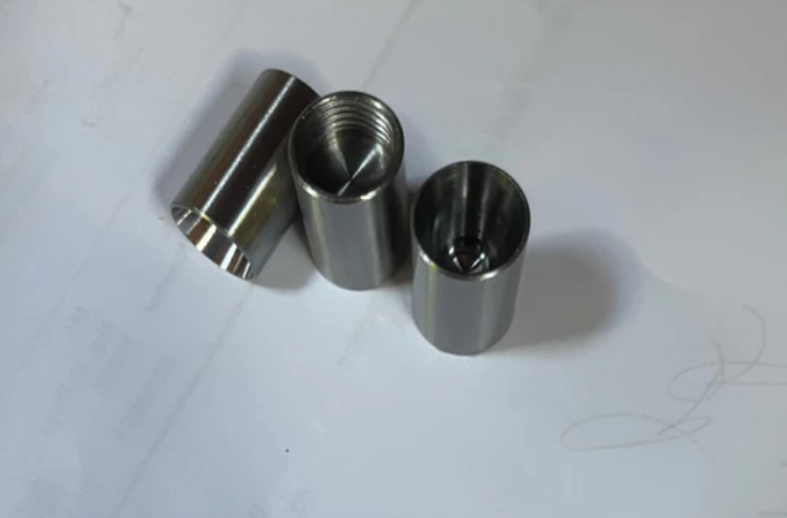
If you are a reloading enthusiast, then you may probably encounter new challenges every day with your reloading dies. This is probably also the reason why you have stumbled upon this blog. Maybe you are looking for answers to the difficulties you are experiencing with your bullet seating dies. After all, as a reloader, you know the importance of both consistency and precision when it comes down to seating bullets.
But we know it can become too frustrating when you encounter issues with your bullet seating dies. It impacts the overall experience and quality of your ammunition. In this comprehensive guide, we will delve into troubleshooting common problems with bullet seating dies and provide effective solutions to help you achieve optimal results. So, let’s dive in.
Common Issues & Troubleshooting Tips For Bullet Seating Dies
Uneven Bullet Seating Depth
One of the most common issues that most reloaders go through with bullet seating dies is uneven bullet seating depth. This happens because of the variations in the overall depth of the Cartridge. Due to this, you will experience inaccurate and inconsistent performance. In order to resolve this issue, what you can do is to ensure proper die seating setup. Make sure it is adjusted according to the specifications mentioned in the reloading manual. Moreover, you should also inspect the seating stem to check for any wear or tear that may be causing uneven seating depth. You can also consider using a primer pocket swager to ensure uniform primer pockets, contributing to more consistent bullet seating.
Excessive Bullet Runout
Another big problem you can often encounter with bullet seating dies is excessive bullet runout. It refers to the deviation of the bullet from its true axis as it spins during the seating process. Excessive bullet runout can result in decreased accuracy and stability. In order to minimize the bullet runout, carefully check the seating die for damage or misalignment. Consider using a bullet seating die with a floating seating stem to accommodate variations in bullet ogive and reduce runout. Additionally, ensuring that your cases are properly resized and trimmed can help minimize runout during the seating process.
Bulging or Distorted Case Necks
Bulging or distorted case necks can occur when excessive pressure is applied during the bullet seating process, especially with bottleneck cartridges. This can lead to issues with chambering and overall cartridge performance. To troubleshoot this issue, check the internal dimensions of your seating die to ensure that it’s not excessively compressing the case neck. Using a separate crimping die after seating the bullet can help alleviate pressure on the case neck and minimize distortion. Additionally, inspect your cases for any signs of overworking or stretching, as this can contribute to bulging.
Inconsistent Seating Pressure
Another issue you may encounter with these reloading dies is inconsistent seating pressure. This inconsistency results in variations in bullet tension and seating depth, which impacts accuracy and precision. To address this issue, you can begin by examining the seating stem and seating plug for signs of wear or damage that may affect pressure distribution. Lubricating the inside of the case necks can help reduce friction and ensure more uniform seating pressure. Additionally, experimenting with different seating stems or plugs with varying profiles can help you find the most effective configuration for consistent seating pressure.
Difficulty Seating Long or VLD Bullets
Seating long or very low-drag bullets can also pose unique challenges because of their design and shape. These types of bullets require careful attention to seating depth and alignment if you want to achieve optimal performance. In case you are experiencing difficulties with seating long or VLD bullets, then it’s best to consider using a bullet seating die specifically designed for these bullet types. These dies feature a special seating stem that helps accommodate the unique characteristics of long and VLD bullets.
Final Words!
In conclusion, troubleshooting common issues with bullet seating dies requires careful inspection, adjustment, and experimentation to achieve optimal results. By addressing factors such as seating depth consistency, bullet runout, case neck distortion, seating pressure, and bullet type-specific challenges, reloaders can overcome these common hurdles and achieve accurate and consistent bullet seating.
Remember to approach troubleshooting with patience and a systematic approach, making incremental adjustments and testing your results to find the best solutions for your reloading setup. With these troubleshooting tips in hand, you can enhance the performance and reliability of your bullet seating process. Happy reloading!
