



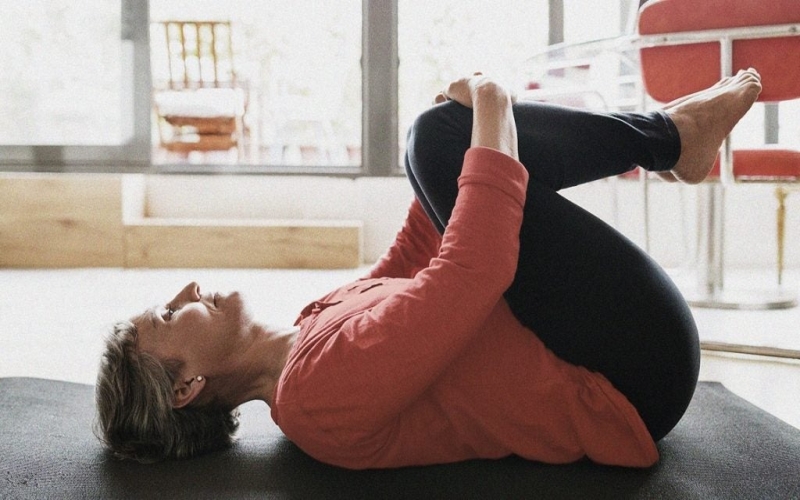
Many women choose pelvic floor strengthening exercises to get back in shape after childbirth. For others, it is a boost to their sexual life. Nevertheless, there is a need to empower society to understand pelvic floor strengthening can solve a wider scope of lifestyle and health issues. One of them is a disconcerting health problem: pelvic organ prolapse (POP).
Poor Pelvic Floor Strength and Pelvic Organ Prolapse
In pelvic organ prolapse, organs in the pelvis and the abdomen move from their normal position. This happens due to the weakening or loosening of the pelvic muscles. Some medical experts find the causes of POP inconclusive.
Some health problems such as Marfan syndrome, joint hypermobility syndrome and Ehlers-Danlsos syndromes also cause pelvic organ prolapse. The affected organ slips down into the vagina.
It is a disturbing, painful, and uncomfortable condition, depending on severity. It is not life-threatening. Sometimes, the condition presents no symptoms. The doctor diagnoses it during internal examinations on a routine basis or for other conditions such as pap smear.
Some of the problems resulting from pelvic organ prolapse include incontinence and discomfort during sex. Sometimes there is a notable lump or swelling from the bulging organ felt or seen in the vaginal area. Other patients feel heaviness in the pelvic and abdominal region.
How Pelvic Floor Strengthening Prevents Pelvic Organ Prolapse
Women should adopt pelvic floor strengthening exercises as routine. Many women refer to them as Kegels. The exercises may not eliminate the problem once it sets in. However, they control the progression of the prolapse. They work best when used together with other treatments.
Patients who choose to practice Kegels should maintain normal body weight. Consuming high-fibre meals helps bowel function since constipation worsens prolapse. They should also ensure they exercise the whole body for general health.
Smoking is another risk factor for prolapse. Patients should quit or avoid smoking. Persistent constipation and chronic coughs that increase pressure in the abdomen and pelvis require prompt medical attention. Some women may be genetically predisposed to the condition due to poor connective tissue. Men also benefit from these exercises.
Effective Pelvic Floor Strengthening Techniques
The pelvic floor training starts on an empty bladder. Setting a daily target of up to 8 sets done as ten squeezes shows results in several weeks. The exercises require normal or relaxed breathing. The general techniques are based on periodic repetitions of the following:
- Quick contractions of the muscles on the pelvic floor
- Alternating contract and relax action on the pelvic floor to tighten it
- Elevator technique, which requires the raising of the pelvis from the floor as if going up the floors in an elevator
There are specific exercises as follows:
-
Kegel
Kegel is the most popular pelvic floor exercise. It involves pinching or holding the pelvic muscles for about five seconds and relaxing them for five seconds, the duration increasing with time. Kegels tighten loose muscles.
-
Reverse Kegel
These help relax an overly tight pelvic floor. Reverse Kegels also involve contraction and relaxation of the pelvic muscles while visualising the lengthening of the muscles found between the tailbone and the pubic bone. It requires lying on the floor and lifting the pelvic bone upwards while moving the tailbone to the floor.
Conclusion
The heart of preventing pelvic organ prolapse is keeping the pelvic floor muscles supple and healthy. Patients with health issues in the pelvic and belly area should embrace pelvic floor strengthening to keep their areas in good condition. Although POP sometimes resolves by itself, it is advisable to explore the correct set of pelvic exercises for overall well-being.
