



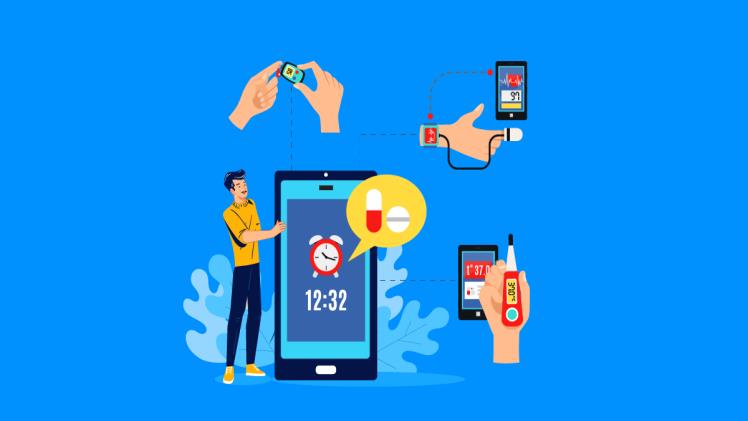
Imagine a world where your personal health coach lives in your pocket, providing real-time feedback on your steps, sleep, and even stress levels. Where chronic disease management is just a tap away, and remote consultations with doctors are as convenient as video calls with friends. This is the reality we’re rapidly approaching, thanks to the explosive growth of M Health: the use of mobile technologies to improve health and wellness.
At the heart of this revolution lies the Mobile Health Apps Market, a trillion-dollar behemoth projected to reach a staggering USD 861.4 billion by 2030. Driven by the ubiquity of smartphones and the increasing focus on preventive healthcare, these apps are changing the way we think about, manage, and experience health.
A Kaleidoscope of Apps: Exploring the Market Landscape
The sheer diversity of mHealth apps is mind-boggling. From fitness trackers and calorie counters to medication reminders and mental health resources, there’s an app for virtually every health concern imaginable. Let’s delve into some key segments:
- Wellness Management: Fitness giants like Nike Run Club and Strava reign supreme, while meditation apps like Headspace and Calm offer mindfulness in the palm of your hand.
- Chronic Disease Management: Apps like MyChart and MySugar help patients with diabetes and other chronic conditions monitor their health, track medication adherence, and connect with healthcare providers.
- Telemedicine: Platforms like Doctor on Demand and Teladoc bring healthcare consultations directly to your phone, blurring the lines between physical and virtual care.
- Women’s Health: Apps like Flo and Ovia are empowering women with information on menstrual cycles, fertility tracking, and pregnancy.
- Mental Health: Apps like Talkspace and BetterHelp provide access to therapists and counselors, combating the stigma surrounding mental health care.
Beyond these categories, niche markets are burgeoning too. Sleep trackers like Sleep Cycle analyze your sleep patterns, while apps like Happify and Moodrise combat anxiety and depression through cognitive-behavioral therapy techniques.
Driving the Growth: Why mHealth Apps are Booming
Several factors contribute to the mHealth app market’s exponential growth:
- Accessibility and Convenience: Smartphones are ubiquitous, making health information and support readily available, anytime, anywhere. This empowers individuals to take control of their health, regardless of location or socioeconomic status.
- Personalization and Engagement: mHealth apps offer tailored experiences, from customized workout plans to medication reminders based on individual needs and preferences. This personalized approach fosters engagement and adherence to health regimes.
- Data-Driven Insights: Wearables and sensors integrated with apps generate valuable health data, offering real-time insights into activities, sleep patterns, and even vital signs. This empowers individuals and healthcare providers to make informed decisions based on data, not just intuition.
- Cost-Effectiveness: mHealth apps can potentially reduce healthcare costs by promoting preventive care, remote monitoring, and early intervention. This benefits both individuals and healthcare systems.
Challenges and Opportunities: Navigating the mHealth Landscape
Despite its promise, the mHealth landscape is not without challenges. Data privacy and security remain paramount concerns, and the need for standardized regulations and ethical guidelines is pressing. Additionally, disparities in access to technology and digital literacy can exacerbate existing health inequalities.
However, the opportunities are immense. Advancing technologies like artificial intelligence and virtual reality have the potential to further personalize healthcare and provide remote monitoring of even complex conditions. Furthermore, mHealth can play a crucial role in integrating traditional medicine with complementary and alternative therapies, catering to a wider range of healthcare needs and preferences.
The Future of mHealth: A Symbiotic Relationship
The future of mHealth is not about replacing traditional healthcare but rather augmenting it. Imagine a world where mHealth apps seamlessly connect with electronic medical records, allowing healthcare providers to monitor patients remotely and intervene proactively. Wearables could provide constant, real-time data, feeding into AI-powered algorithms that predict health risks and personalize treatment plans.
This shift requires a collaborative approach. Healthcare providers, app developers, researchers, and policymakers must work together to ensure ethical data practices, address existing disparities, and create a unified, interoperable mHealth ecosystem.
The potential of mHealth is undeniably vast. By leveraging the power of mobile technology, we can create a future where healthcare is accessible, personalized, and preventative. Just imagine: your pocket-sized health coach might not be so far-fetched after all.
