



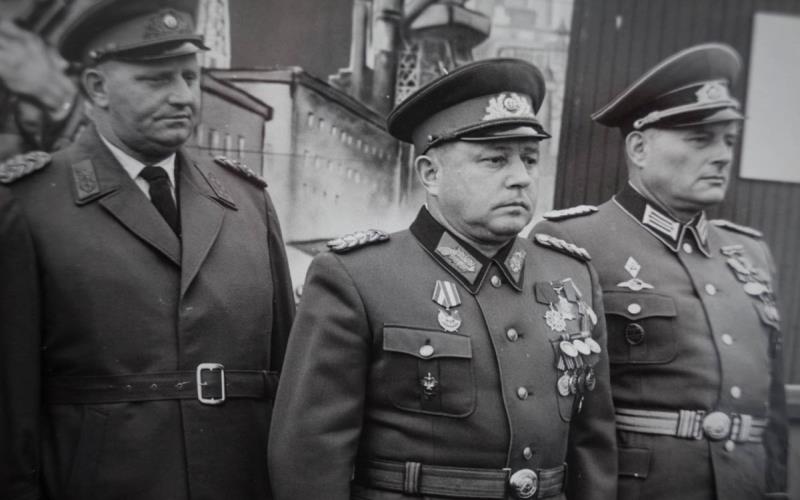
The secret police in a totalitarian government is an important tool for controlling and suppressing opposition. It is often a feared and reviled organization, but what is the history behind its name? This article will look at the historical overview, origins, and role of the secret police in a totalitarian government.
Historical Overview
The secret police has been around since the ancient world, with the earliest known example being the Spartan Crypteia. This organization was tasked with tracking down and disposing of any helots who were suspected of rebelling against the Spartan state. As time went on, secret police forces became more and more common in totalitarian governments, particularly in the 20th century. In Nazi Germany, the Gestapo was responsible for identifying and eliminating opposition to the Nazi regime. In the Soviet Union, the NKVD (later known as the KGB) was tasked with maintaining control over the population and suppressing any opposition to the Soviet state.
Origins of the Secret Police
The name “Secret Police” is believed to have originated in the early 19th century during the reign of Tsar Nicholas I of Russia. The Tsar created a security organization known as the Third Section of His Imperial Majesty’s Own Chancellery. This organization was tasked with tracking down and suppressing any opposition to the Tsar’s rule. The organization was known as the “secret police” because of its covert nature and the fact that its activities were not made public.
Role of the Secret Police
The role of the secret police in a totalitarian government is to identify and eliminate any opposition to the ruling regime. This can include anything from tracking down and arresting dissidents to gathering intelligence on potential threats. The secret police also often act as a tool of repression, using fear and intimidation to control the population and prevent any form of organized opposition from forming. In addition, the secret police may also be used as a tool of propaganda, spreading false information and exaggerating the power of the ruling regime.
The secret police in a totalitarian government is an important tool for maintaining control and suppressing opposition. Its origins can be traced back to the early 19th century, when Tsar Nicholas I of Russia created the Third Section of His Imperial Majesty’s Own Chancellery. The secret police is tasked with identifying and eliminating any opposition to the ruling regime, and its activities are often shrouded in secrecy. Despite its reputation, the secret police is a necessary part of a totalitarian government, and its role is essential for maintaining control.
